여러 채널에서 쇼핑하는 고객이 같은 정보를 반복해서 입력할 필요가 없도록 하기 위함입니다.
소셜 미디어 콘텐츠에서 웹사이트로, 그리고 매장이나 고객 서비스 센터를 통해 거래를 완료하는 고객의 여정을 그려보세요.
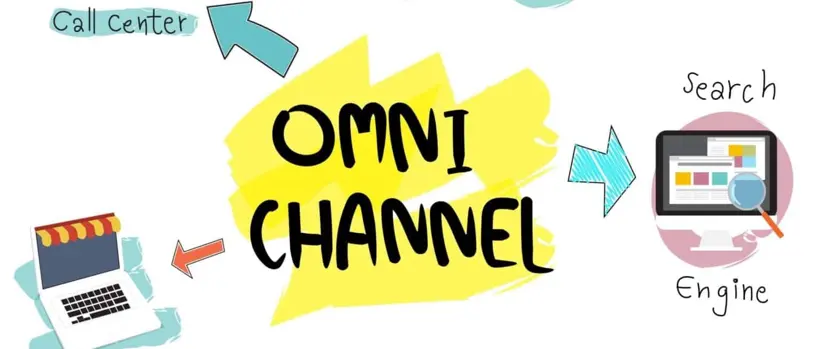
소셜 미디어 콘텐츠에서 웹사이트로, 그리고 매장이나 고객 서비스 센터를 통해 거래를 완료하는 고객의 여정을 그려보세요. 여정 전반에 걸쳐 가격 설명, 재고 현황, 주문 번호가 일치하는지 확인하세요.
흔히 발생하는 사후 지원 요청 사례를 선택하여 여러 채널에 걸친 모의 훈련을 실시하십시오. 어떤 팀이 커뮤니케이션 기록을 볼 수 있는지, 신원 확인이 필요한 경우, 그리고 인수인계가 실패할 경우 누가 대응해야 하는지 기록하십시오.
Omni-channel retailers offer multiple ways for consumers to purchase their products. Continuity of the customer experience. It creates convenience for customers to buy in whatever way they are most comfortable. In fact, businesses that adopt omnichannel strategies achieve 91% greater year-over-year customer retention rates compared to businesses that don’t.
Businesses that adopt omni-channel strategies achieve 91% greater year-over-year customer retention rates
What Are the Different Methods of Omni-Channel?
Omni-channel allows its customers to purchase or use products or services in a way most convenient to them.
The different methods are online, typically split between desktop and mobile (mobile optimization or an app), in a physical store, by phone, by email, through live chat, and any other way you can imagine.
The goal of omnichannel selling is to make the interactions seamless. So no matter how customers choose to purchase, the process goes smoothly and the method can be changed mid-process if necessary.
A great example of omnichannel use is banking. Most people can make deposits, transfers, pay bills, check accounts, open accounts, etc. on a desktop or mobile device. You can also go into a physical location and have access to the same information and services. If you call a branch, they can access your account and also help you with anything you need. This seamless transition between these channels makes the customer experience much more pleasant.
How Can I Implement It?
While it’s a seemingly daunting task, omnichannel will be profitable and time-saving in the long-run and is worth the time and money to implement.
The primary forms of omnichannel marketing are online (website and/or apps), physical stores, and phones.
OnlineNo matter the product you are selling, if you have a website, create the option and encourage customers and website visitors to create an account with you. This will keep track of purchases, wish list items, and allow you to promote relevant items to them. The data collected this way will help with the transition to other channels.
When online, you should have a website that is mobile optimized as well as appealing on a desktop. It’s optional to have a dedicated app, and that would be a judgment call on your end to offer that or not.
Physical StoresKeep the option to create an account with you in physical stores. Essentially, anything they can do online should be able to in-store and vice versa. In physical stores, this allows your employees to pull up their account information, help with any issues, and make recommendations to them based on their history with you.
Phone/Live Chat/EmailAll the same, functions should be available. Dedicating resources, however few, to taking care of customers using these methods is worth it. When banking, some people prefer to call in and speak to a representative to make changes to their accounts. Banks that provide this convenience have lower churn and higher customer satisfaction.
It really comes down to having a customer-management system that can be accessed by employees easily when needed and providing those channels of communication to your customers. Customers should be able to interact with you in any way you provide for them without an interruption in great service!