평균 별점 옆에 표본 크기를 표시하는 것은 어떤 의미가 있습니까?
소수의 사용자가 주는 높은 평점과 다수의 사용자가 주는 비슷한 평점은 서로 다른 정보를 제공합니다.
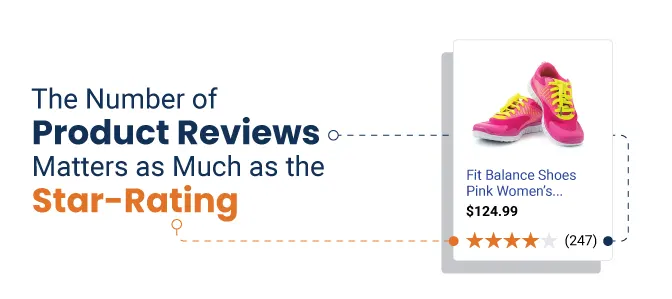
소수의 사용자가 주는 높은 평점과 다수의 사용자가 주는 비슷한 평점은 서로 다른 정보를 제공합니다. 유사한 제품을 비교할 때는 전체 리뷰 수, 별점 분포, 최신 리뷰, 그리고 해당 제품 버전도 함께 확인해야 합니다.
참가자들에게 두 제품 중 하나를 선택하도록 요청하고, 어떤 세부 정보를 참고했는지 설명해 달라고 하세요. 점수만 표시되는 경우, 총점의 위치와 모바일 기기에서의 가독성을 확인하세요. 관련 없는 제품들을 병합하여 큰 표본을 만드는 방법은 사용하지 마세요.
Consumers look to reviews before making a purchase, especially when shopping online. The credibility of these reviews is crucial to a company and product’s integrity. While star rating is a key component in purchase decisions, the number of reviews that create that rating is taken into account.
In a study recently released by Baymard, usability tests revealed that consumers will choose a product with a star rating closer to 4.5 than 5 based on the number of ratings those products have. It’s a matter of trust. This number of product reviews and their influence on purchase decisions is further demonstrated by the quantitative results of the study.
The 5-star reviews became more trusted as the number of those reviews rose. However, if the number of 5-star reviews was insignificant on the product, people chose the 4.5-star-rated product. Despite a lower average rating, the product with a higher number of reviews was chosen more consistently among respondents.
The dynamic at play here is interesting because many merchants have been most concerned with having high product ratings. The study lays to rest the unreal expectation that merchants should only get 5-star reviews if possible. Negative reviews can have a positive impact if they are few and far between. Consumers aren't convinced solely on 5-star ratings. They want to know that the reviews are credible, and a higher number of reviews collected is deemed more trustworthy.
Because consumers are influenced not only by the rating, but the number of reviews collected, retailers should always display the number of reviews that have been collected for each product.