平均星評価の横にサンプルサイズを表示することには、どのような意義があるのでしょうか?
少数のユーザーによる高評価と、多数のフィードバックによる類似の評価は、それぞれ異なる情報を提供します。
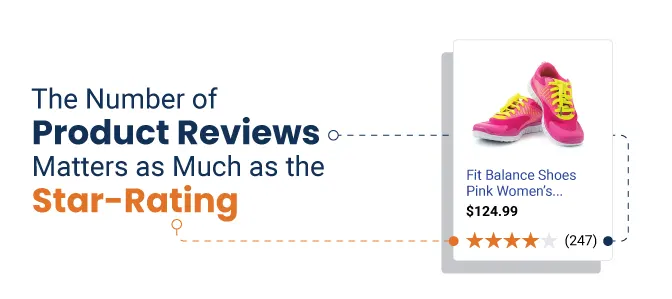
少数のユーザーによる高評価と、多数のフィードバックによる類似の評価は、それぞれ異なる情報を提供します。類似製品を比較する際には、レビューの総数、星評価の分布、最新のレビュー、および該当する製品バージョンも確認する必要があります。
参加者に2つの製品から1つを選んでもらい、どの情報に基づいて選んだのかを説明してもらいます。スコアのみを表示する場合は、合計値の表示位置とモバイル端末での読みやすさを確認してください。また、無関係な製品をまとめてサンプル数を増やすような方法は避けてください。
Consumers look to reviews before making a purchase, especially when shopping online. The credibility of these reviews is crucial to a company and product’s integrity. While star rating is a key component in purchase decisions, the number of reviews that create that rating is taken into account.
In a study recently released by Baymard, usability tests revealed that consumers will choose a product with a star rating closer to 4.5 than 5 based on the number of ratings those products have. It’s a matter of trust. This number of product reviews and their influence on purchase decisions is further demonstrated by the quantitative results of the study.
The 5-star reviews became more trusted as the number of those reviews rose. However, if the number of 5-star reviews was insignificant on the product, people chose the 4.5-star-rated product. Despite a lower average rating, the product with a higher number of reviews was chosen more consistently among respondents.
The dynamic at play here is interesting because many merchants have been most concerned with having high product ratings. The study lays to rest the unreal expectation that merchants should only get 5-star reviews if possible. Negative reviews can have a positive impact if they are few and far between. Consumers aren't convinced solely on 5-star ratings. They want to know that the reviews are credible, and a higher number of reviews collected is deemed more trustworthy.
Because consumers are influenced not only by the rating, but the number of reviews collected, retailers should always display the number of reviews that have been collected for each product.