La réputation en ligne commence par la page que les clients consultent.
Identifiez les pages les plus susceptibles d'être consultées par les personnes découvrant la marque : site web officiel, réseaux sociaux, historique du catalogue et avis clients.
Identifiez les pages les plus susceptibles d'être consultées par les personnes découvrant la marque : site web officiel, réseaux sociaux, historique du catalogue et avis clients. Demandez à des testeurs externes de résumer, avec leurs propres mots, les promesses de la marque qu'ils perçoivent.
Les résultats synthétisés ont été comparés point par point aux normes de service réelles. En cas de contradiction, l'information a d'abord été vérifiée afin de déterminer si elle était obsolète avant de décider de mettre à jour le contenu, de corriger le service ou de répondre aux questions du public.
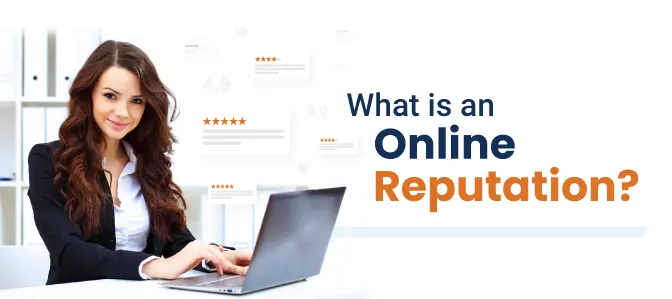
It seems like an easy answer, right? Online reputation is the way your current and potential customers see you. Digital presence has become so prominent, that I would make the argument that a business’s online reputation will make or break them.
Your online reputation can be managed, but not fully controlled. You have social media, press releases, blogs, etc. that you create to reach your audience. However, you have stories like the one above that also play into a company’s online reputation. This can be good or bad.
A few months ago, an Olive Garden waiter went viral when she fed the baby of a tired, stressed-out mom. The photo the family posted of the incident was shared more than 20,000 times! Talk about some positive press for the restaurant.
Customers can leave reviews on sites like Yelp that can help or hurt business. If an angry employee lashes out on Facebook and that goes viral, you can’t undo all of the damage.
Just recently, a former Uber employee came out about the sexism and harassment women face while working there, and the failure of their HR department to react. That, alongside multiple assault accusations from Uber riders by drivers, has deeply affected Uber’s online reputation. Only time will tell what the impact is on the company’s bottom line, but it probably won’t be good.
The point is, good or bad, your online reputation can’t necessarily be controlled. You have to roll with the punches, take ownership of mistakes, and do your best to fix them. Hope for the satisfied customer that shares a viral experience with the world, and fingers-crossed that the mistakes are forgiven with little damage.
What control can you take? To establish a solid online reputation (at least the part you can influence), you should have a functional website, be active on social media, create a blog, and send out press releases as needed. In an attempt to reign in the uncontrollable factors of online reputation, be prompt in responding to customer needs or complaints. Apologize and take criticism when it’s due.
Online reputation is easy to explain but difficult to understand. Take charge of the elements that you can and ride out the rest.